
5 Reason why you should learn to breathe
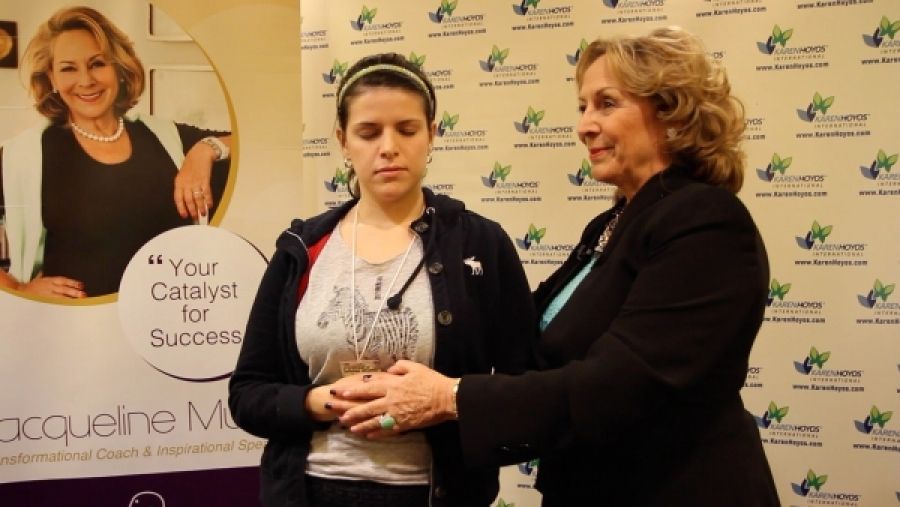
When I speak in front of an audience, one exercise I love to do is a breathing exercise. I literally teach the audience how to breathe. What? Don’t we all know how to breathe? Well of course we all know how to breathe, otherwise we would hardly be alive. However, I teach them how to breathe in a way that will improve their mind and body (health) and create new possibilities.
You have to pay attention to what you are doing. Breathe into the pit of your tummy. Breathe in deeply to the count of 4. Hold it for the count of 4. Then exhale to a count of 4, then hold to the count of 4. Do this over and over for a minute. While you are doing this, I want you to concentrate only on your breath. After doing this for a few days, then a few weeks, before getting up in the morning and before going to sleep at night, you will begin to act and respond to things in a completely different way…a much healthier and relaxed way and will allow them to FEEL quite different….try it and let’s talk about what happens to you. ( info@jacquelinemuller.com )
I recently ran across this article in Forbes magazine that I think you may like. I went ahead and listed their top five reasons breathing is good for the body. Learning to breathe just might be answer you have been looking for.
1. Managing Stress.
This is the most direct application of controlled breathing and the one we hear about most. Our brains are routinely on high alert for threats in our environment—we are wired to react defensively to anything that hints of imperiling us physically or psychologically. Controlled breathing may be the most potent tool we have to prevent our brains from keeping us in a state of stress, and preventing subsequent damage caused by high stress levels. The relaxation response is a built-in way to keep stress in check on many levels.
2. Managing Anxiety.
The means by which controlled breathing triggers the parasympathetic nervous system is linked to stimulation of the vagus nerve—a nerve running from the base of the brain to the abdomen, responsible for mediating nervous system responses and lowering heart rate, among other things.
The vagus nerve releases a neurotransmitter called acetylcholine that catalyzes increased focus and calmness. A direct benefit of more acetylcholine is a decrease in feelings of anxiety. Stimulating the vagus nerve may also play a role in treating depression, even in people who are resistant to anti-depressant medications.
3. Lowering Blood Pressure and Heart Rate.
Research suggests that when practiced consistently, controlled breathing will result in lower blood pressure and heart rate, which in turn results in less wear and tear on blood vessels. As described above, the vagus nerve plays a key role in this response. Over time, using controlled breathing to lower blood pressure and heart rate can help prevent stroke and lower risk of cerebral aneurysm.
4. Sparking Brain Growth.
When breathing is used to facilitate meditation, the result can be an actual increase in brain size. Specifically, the brain experiences growth in areas associated with attention and processing of sensory input. The effect seems to be more noticeable in older people, which is especially good news because it’s the reverse of what typically happens as we age—gray matter usually becomes thinner.
5. Changing Gene Expression.
Controlled breathing can alter the expression of genes involved in immune function, energy metabolism and insulin secretion. The study uncovering this finding was co-authored by none other than Herbert Benson himself, some 40 years after he brought controlled breathing into the spotlight with his book.
Happy breathing…welcome to LIFE!
Jacqueline

